
 RFQ
RFQTechnical Article
-
Ultrasonic Sensors: Enhancing AI Interactive Storytelling
In today’s era of premium consumer demand and the growing adoption of science-based parenting, AI storytelling devices have become an essential tool for modern families. According to a 2025 market research report on AI storytelling devices, the global market is expected to grow from USD 2.48 billion in 2024 to USD 7.16 billion by 2033, with a compound annual growth rate (CAGR) of 13.2%.
Behind this strong growth is parents’ increasing demand for smarter features, higher safety standards, and better user experiences. However, many traditional AI storytelling devices on the market still suffer from noticeable limitations. The innovative application of ultrasonic sensors is transforming this situation, bringing a new level of performance and driving a major upgrade in the AI storytelling device market.I. Four Major Pain Points of Traditional AI Storytelling Devices: Have Parents Had Enough?
1. High operating difficulty, making independent use hard for young children
Children aged 3 to 6 have not yet developed fine motor skills. Traditional AI storytelling devices rely on physical buttons that are difficult to press accurately, often leading to wrong inputs or difficulty finding the power button. Voice activation is easily affected by background noise, requiring repeated help from parents and reducing the core value of “hands-free parenting.”2. Hidden safety risks that prevent parents from feeling at ease
Many traditional AI storytelling devices lack sufficient safety design. Speakers and charging ports can be blocked by foreign objects or cause pinching injuries. Without distance detection, high volume at close range may harm children’s hearing, and sudden drops can startle them. In addition, infrared sensors can be affected by lighting conditions and may raise concerns about potential eye exposure.3. Battery life and wear issues that shorten product lifespan
High standby power consumption leads to frequent charging, and manual shutdown makes it inconvenient to resume content. Physical buttons wear out easily with repeated use, often resulting in situations where the content still works but the buttons fail first, causing the device to be discarded earlier than expected.4. Limited interaction and monotonous experience, falling short of educational needs
Most AI storytelling devices only offer passive playback, with interaction limited to simple voice-based questions and answers. Content is often repetitive and lacks engagement, making it difficult to encourage active participation, support cognitive development, or create clear differentiation in the market.??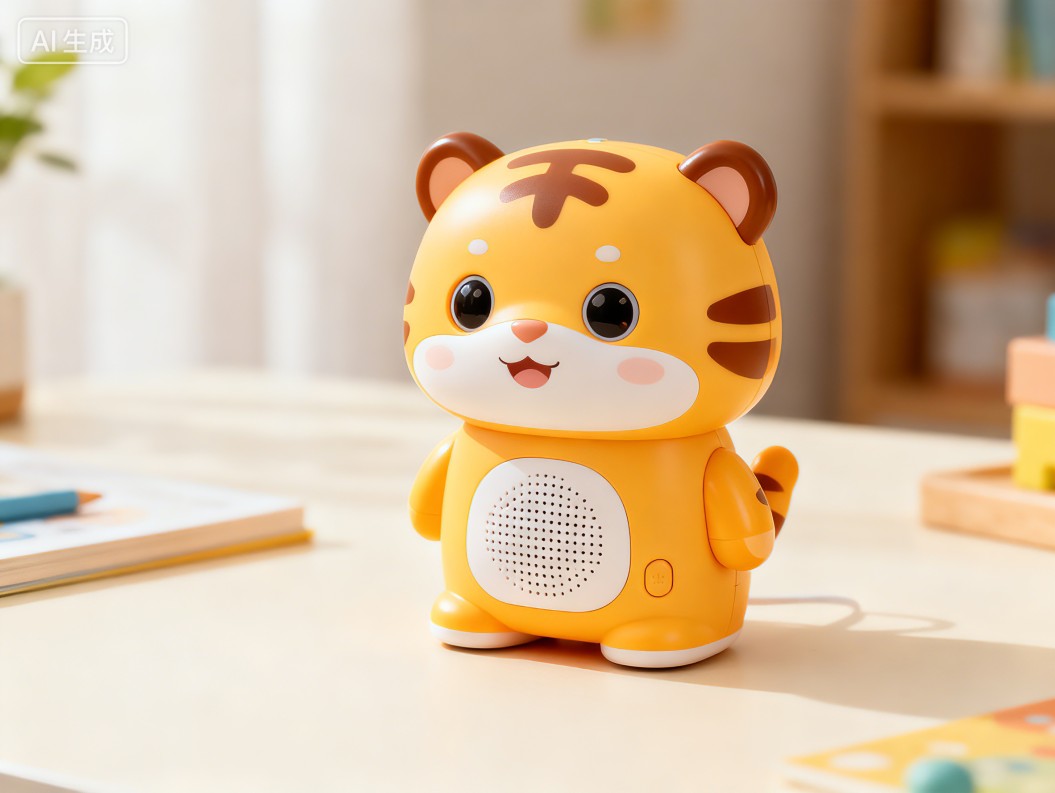
Fig.1 Traditional Animal-Shaped AI Storytelling Device
II. Ultrasonic Sensors: Four Core Applications for a Better Parenting Experience
Ultrasonic sensors are a safe, stable, and interference-resistant contactless sensing technology. With strong directionality, no electromagnetic radiation, and reliable performance regardless of lighting conditions or object color, they are well-suited for children’s products. When integrated AI storytelling devices, ultrasonic sensors not only address the limitations of traditional designs but also deliver four key upgrades that create clear user benefits.
1. Touch-free gesture control, easy for young children to use
Ultrasonic sensors detect hand movement patterns and enable intuitive commands such as waving to switch content, holding to pause, and back-and-forth motion to adjust volume. This removes the need for precise button operation and matches young children’s natural interaction habits, allowing independent use. The system is not affected by lighting or surface dirt, offers stable recognition, and reduces mechanical wear, extending product lifespan.
2. Multi-layer safety protection to safeguard children’s health
Ultrasonic sensors support enhanced safety features at multiple levels. When the distance is less than 20 cm, the volume is automatically reduced to protect hearing. If foreign objects approach the speaker or charging port, voice alerts are triggered. Audio playback pauses when a potential fall is detected. With no electromagnetic radiation and no reliance on light, ultrasonic sensing provides higher safety and reliability than infrared solutions.
3. Smart power management for longer battery life and easier use
AI storytelling devices remain in low-power sleep mode during standby. When ultrasonic sensors detect a child approaching within 30–50 cm, the device automatically wakes and resumes playback. If no presence is detected for 10 minutes, it enters deep sleep to greatly reduce standby power consumption. This removes the need to search for power buttons or recharge frequently, improving both convenience and battery performance.
4. Scenario-based interaction upgrades to enhance educational value
Through multi-point detection, ultrasonic sensors can identify the number of children present. When two or more users are detected, the device automatically switches to multi-user modes such as story relay, supporting shared play between parents and children or among peers. Usage behavior data can also be recorded, allowing parents to view activity through an app and receive personalized content recommendations, combining entertainment with educational value.
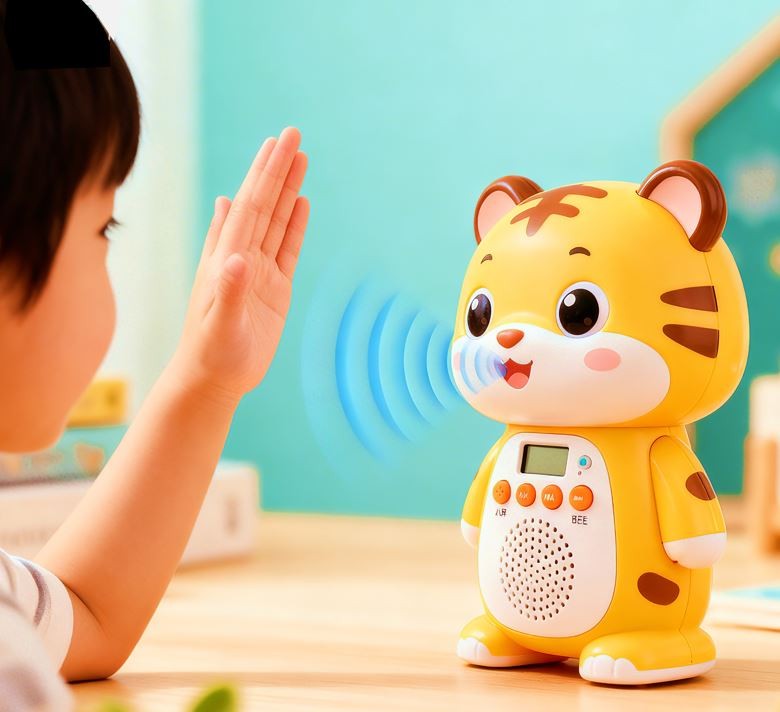
Fig.2 Interactive AI Storytelling Device with Ultrasonic SensorsIII. Principles and Applications of Ultrasonic Sensors
1. Basic structure and operating principle
Ultrasonic sensors are mainly composed of piezoelectric ceramic elements and a reflector cone. They emit sound waves at frequencies above 20 kHz, which are beyond the range of human hearing and do not cause harm to the human ear. Because of this, ultrasonic sensors are widely used in contactless sensing applications.
These sensors can be made very compact, typically with a diameter of about 8–10 mm, making them small, lightweight, and suitable for space-limited designs. In addition, they feature low power consumption, which makes them ideal for use in battery-powered consumer products.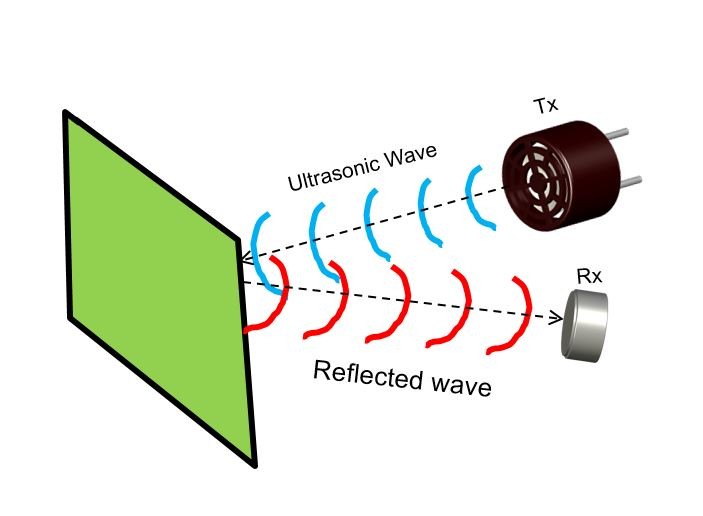
Fig.3 Ultrasonic Sensor with Narrow Beam Emission and Reflected Waves.
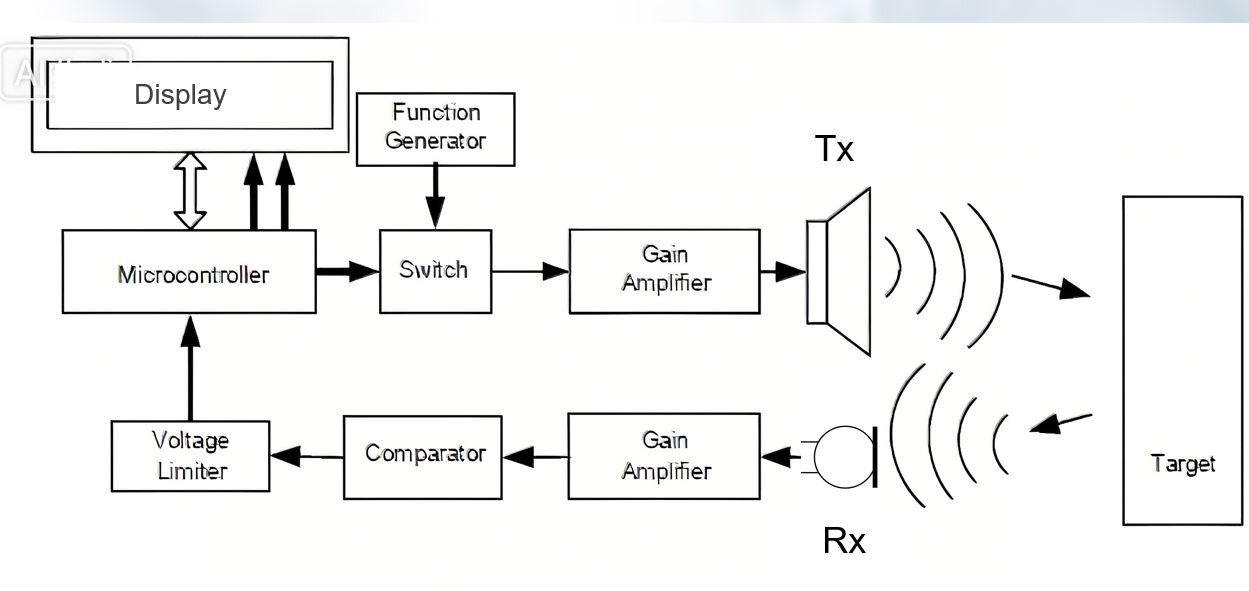
Fig.4 Typical Ultrasonic Sensor Transmit/Receive Detection System Block DiagramIV. Market Trends: Ultrasonic AI Storytelling Devices as the Next Growth Focus
As a new generation of parents raises its expectations for smart parenting products, solutions that combine innovative technology with strong user experience have become the market standard. According to 2025 industry reports, intelligence, safety, and interactive experience are the key factors influencing parents’ purchase decisions. The application of ultrasonic sensors directly addresses all three of these core needs.
Compared with traditional AI storytelling devices, products equipped with ultrasonic sensors not only solve existing user pain points but also create clear differentiation through technical advantages, helping brands stand out in a competitive market. For parents, these AI storytelling devices are more than entertainment tools—they offer a safe, convenient, and educational solution that supports child development while reducing the burden on caregivers.
Within the growing trend of smart parenting, ultrasonic sensors are redefining the value of AI storytelling devices. This shift is driving strong demand for ultrasonic sensors among manufacturers, enabling higher product value, improved market share, and a stronger technology-focused brand image.
AI storytelling device manufacturers with requirements for ultrasonic sensors or microphones are welcome to contact Kingstate at info@kingstate.com.tw